
















US tightens Iran blockade in Strait of Hormuz as Trump warns to shoot boats
Fox News national correspondent Bryan Llenas discusses Middle East tensions and U.S. policy towards Iran. White House press secretary Karoline Leavitt details a ceasefire extension for Iran's regime. Bryan Llenas reports on U.S. efforts to clear the Strait of Hormuz of Iranian mines. Former Secretary of the Navy Kenneth Braithwaite emphasizes America's naval power and its importance for global commerce and preventing conflict in the Gulf.
Iran says it has deployed small submarines to act as an "invisible guardian" of the Strait of Hormuz amid a series of rejected peace deals between Tehran and the U.S., according to reports.
The deployment claim came as analysts said that although the Iranian Ghadir-class mini-subs could threaten U.S. naval forces, the vessels’ limited range, firepower and endurance would blunt any real strategic impact.
The submarine deployment was highlighted by Bloomberg and first reported by the semi-official Tasnim News Agency.
Rear Admiral Shahram Irani, commander of Iran’s navy, said that his forces deployed its light submarine, referred to as the "dolphins of the Persian Gulf," according to the Iranian state media outlet.
IRAN TURNS TO PUTIN AS US TALKS COLLAPSE, HORMUZ STANDOFF THREATENS GLOBAL OIL FLOW
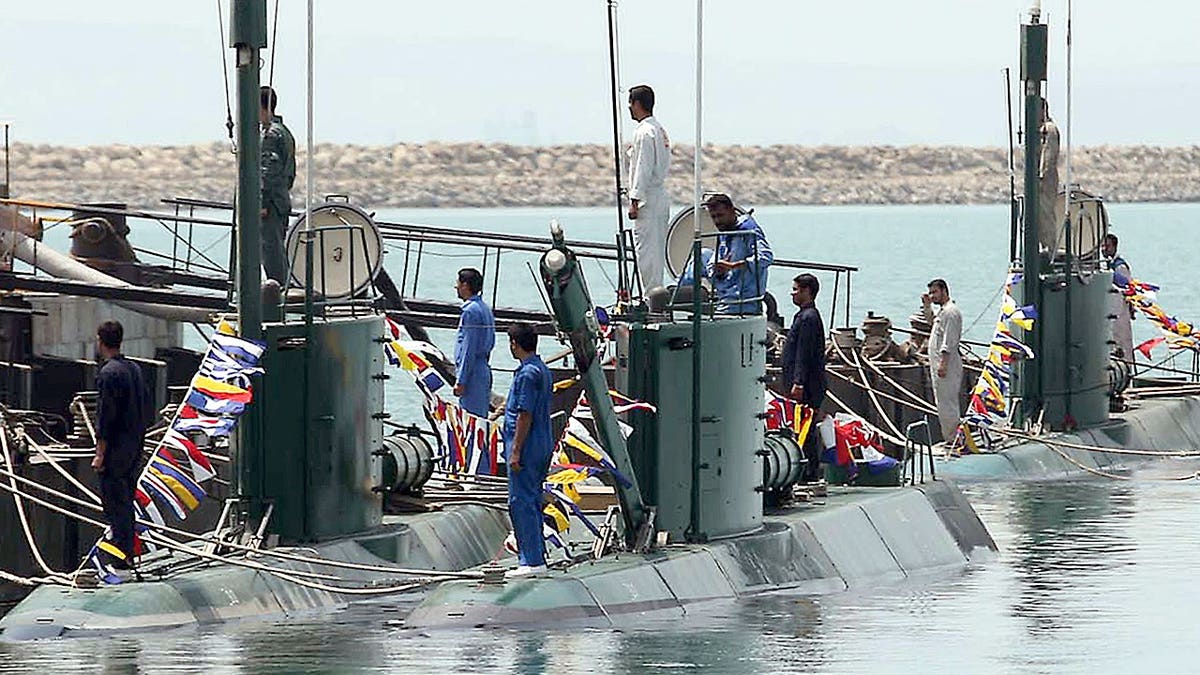
Iran claims that it has deployed small submarines to act as an "invisible guardian" of the Strait of Hormuz. (Vahid Reza Alaei / AFP via Getty Images, File)
It also comes as Tehran seeks to reinforce its control over the strait, now defining it as a far larger zone, Reuters reported.
"Time would be limited, probably a couple of days at the most," defense analyst Tom Shugart told Fox News Digital about the Iranian vessel deployment.
The retired U.S. Navy submarine warfare officer also said the small diesel-electric submarines face fundamental operational constraints.
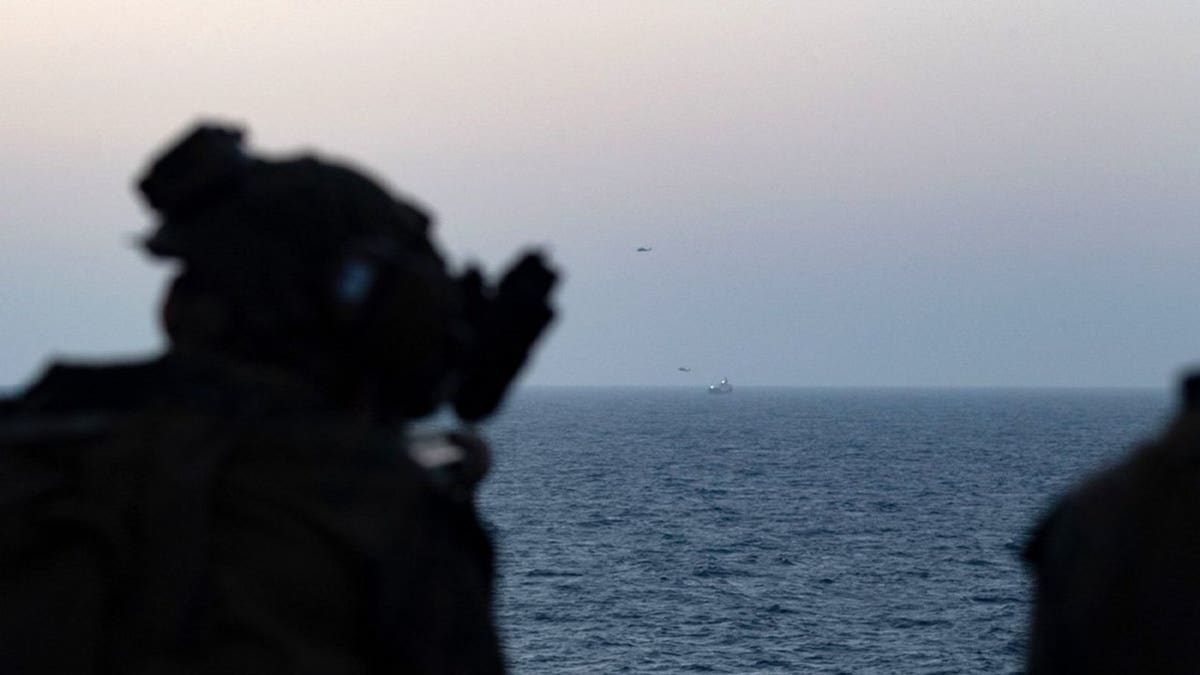
U.S. Marines aboard USS New Orleans (LPD 18) stand watch in the Arabian Sea during naval blockade operations against Iran. (U.S. Central Command)
"If they run their diesel engines to snorkel and recharge batteries, that could generate sound that could be detected," Shugart said.
"Their snorkel mast projecting from the water could be detected by radars on patrol aircraft or helicopters," Shugart added.
The submarines are said to be designed for shallow waters like the Strait of Hormuz and can operate quietly for limited periods on battery power.
"While they may be able to sit on the bottom for a while and operate somewhat quietly on their batteries for a while, they have no air-independent propulsion system (AIP) like more modern diesel-electric submarines," Shugart said before adding that they’ll, "eventually have to come up and snorkel. This will make them more vulnerable to detection and destruction."
INSIDE IRAN’S MILITARY: MISSILES, MILITIAS AND A FORCE BUILT FOR SURVIVAL
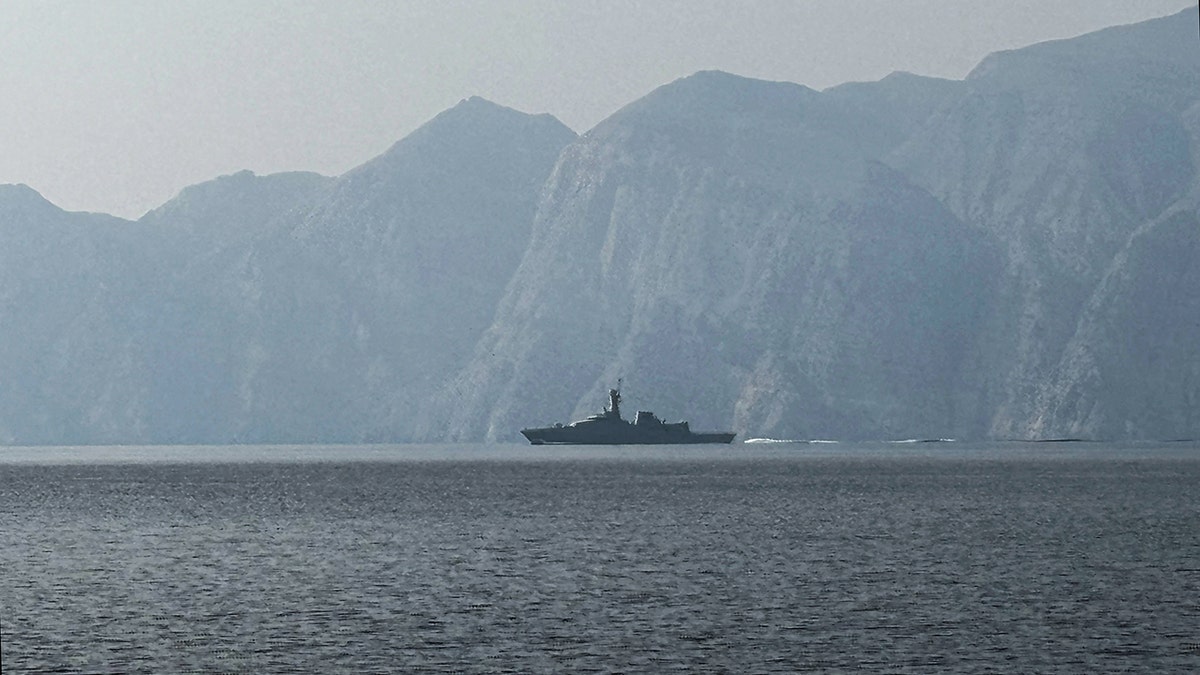
A navy vessel sails in the Strait of Hormuz. (Sahar Al Attar / AFP via Getty Images)
The IRGC Navy is said to be the sole operator of this class of submarine, all of which serve in the Southern Fleet.
"Any remaining Ghadirs, if they exist and are actually deployed, may be able to lay mines and may be able to threaten merchant ships," Shugart warned.
"But I don’t see them as a serious threat to U.S. Navy warships — and certainly not to U.S. submarines," he said.
"But I can say for sure that I wouldn’t want to go out on one in the current environment."
HORMUZ CHOKE POINT PERSISTS AS IRAN HALTS OIL TRAFFIC DESPITE TRUMP CEASEFIRE

The U.S. Navy confirmed May 10 that a U.S. Navy Ohio-class nuclear-armed submarine had arrived in Gibraltar.
"The port visit demonstrates U.S. capability, flexibility and continuing commitment to its NATO allies," U.S. Sixth Fleet Public Affairs said in a statement.
"Ohio-class ballistic missile submarines are undetectable launch platforms for submarine-launched ballistic missiles, providing the U.S. with its most survivable leg of the nuclear triad," it added.
CLICK HERE TO DOWNLOAD THE FOX NEWS APP
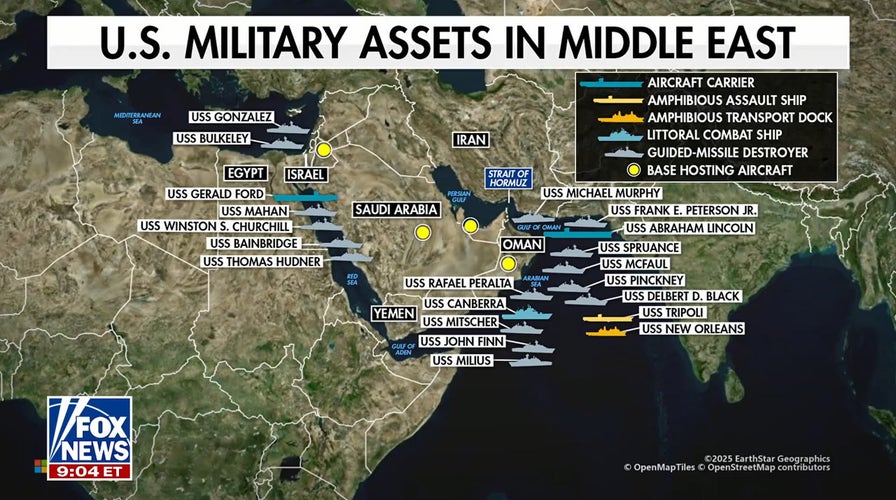
Meanwhile, Shugart’s remarks came as the Strait of Hormuz remains effectively closed, with commercial tanker traffic largely choked off amid ongoing military activity and the continued U.S. blockade of Iranian ports.
The United Arab Emirates and South Korea reported new strikes on stranded vessels Wednesday, while the IRGC increased its fast-attack craft activity, according to reports.
President Donald Trump has maintained Iran’s navy is "completely obliterated."
The Pentagon did not immediately respond to Fox News Digital’s request for comment.
