






Bridge tolls set to rise in 2027 as drivers face higher crossing costs
California drivers will pay more to cross seven San Francisco Bay Area bridges beginning on Jan. 1, 2027. People sounded off on social media about the increases.
Drivers in one of the biggest states in the nation are venting over a new round of bridge toll increases that could soon cost some drivers $10 per crossing — and have a spillover impact on millions of others who never even cross the bridges.
Starting Jan. 1, 2027, new rates will take effect on seven state-owned bridges in California's San Francisco Bay Area, according to an alert from Bay Area FasTrak.
Drivers using a FasTrak toll tag will pay $9 for a standard two-axle vehicle, while those with a registered license plate account will pay $9.25.
Drivers who receive an invoice in the mail will pay $10, the alert said.
MAJOR US VACATION DESTINATION COULD GET MORE EXPENSIVE AS OFFICIALS EYE NEW FEES
The changes will affect the San Francisco-Oakland Bay, Antioch, Benicia-Martinez, Carquinez, Dumbarton, Richmond-San Rafael and San Mateo-Hayward bridges. (The Golden Gate Bridge is not included.)
The Bay Area Toll Authority (BATA) told Fox News Digital the increases are needed to maintain, repair and operate the bridges as they age.

Drivers in California are facing another round of bridge toll increases, with some Bay Area drivers expected to pay $10 per crossing starting in 2027. The new increases could have widespread impact. (Justin Sullivan/Getty Images)
"State law requires the Bay Area Toll Authority — working in partnership with Caltrans [California's Department of Transportation] — to keep the state-owned toll bridges structurally sound and in good repair," BATA said in a statement.
"These bridges range in age from 13 to 90 years old, and maintenance and rehab costs increase as the bridges age."
The new rates are part of a plan approved by BATA in 2024 that calls for five annual toll increases through 2030.
CLICK HERE TO SIGN UP FOR OUR LIFESTYLE NEWSLETTER
The authority said the increases were spread out, rather than imposed as a one-time $2.50 hike to reduce the impact on commuters.
Money from the increases will be used exclusively for bridge maintenance, repairs and operations, according to BATA.
Widespread impact
Even residents who never drive across the bridges could feel the effects, as commercial delivery trucks face higher multi-axle tolls under the rate hikes.
Businesses may pass some of those added costs in the supply chain along to consumers — potentially resulting in higher prices at numerous local diners, grocery stores, shops and other venues.
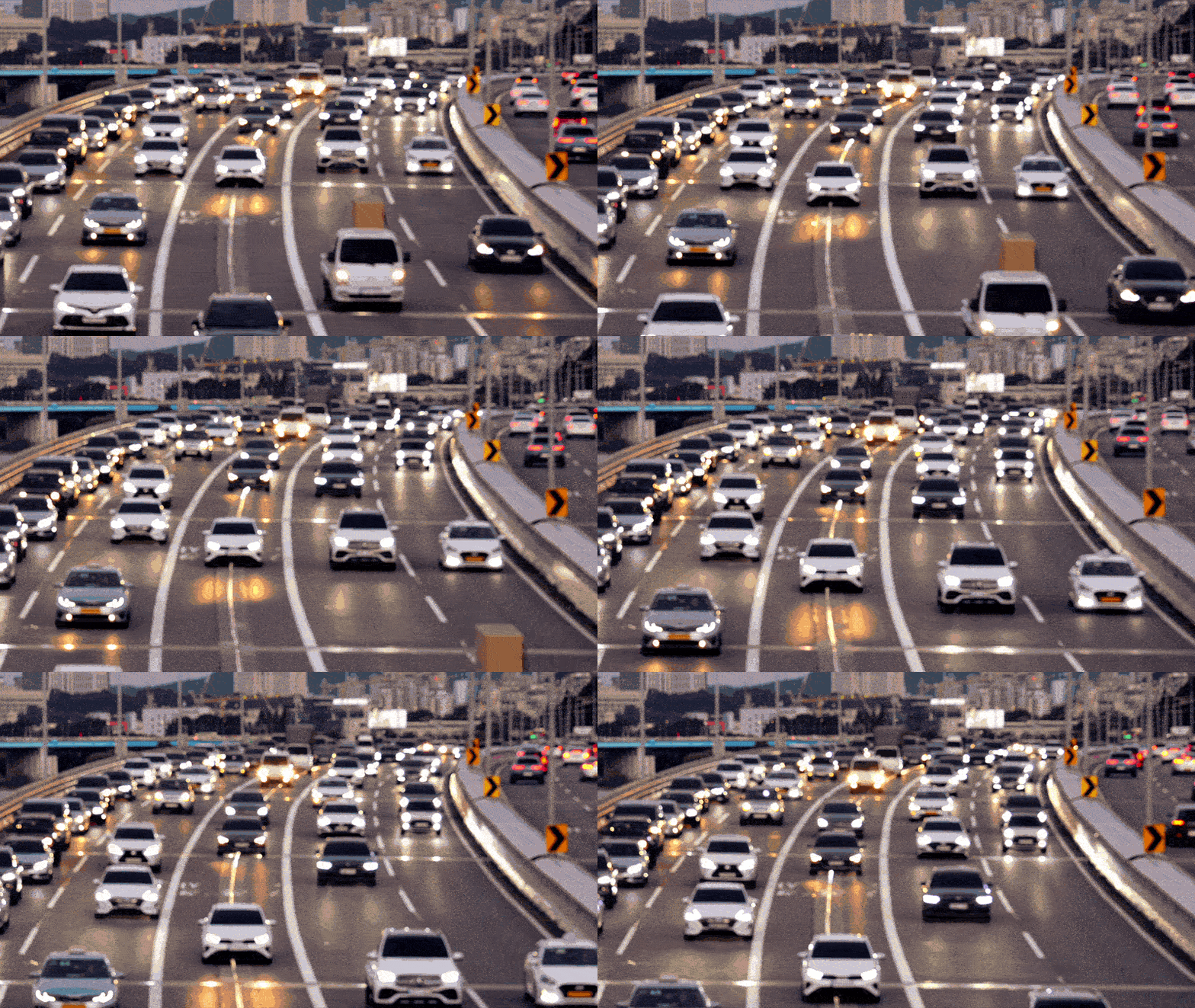
Beginning Jan. 1, 2027, drivers will pay more to cross the same bridges. (iStock)
Even with the widespread impact, residents of New York and New Jersey note that some of their area's bridge crossings cost far more than do those in the San Francisco Bay Area.
Crossing the George Washington Bridge from New Jersey to New York City, for example, comes with a $23.30 toll by mail (no EZ-Pass), according to the Port Authority of New York and New Jersey.
That same price applies to the Goethals Bridge when coming from New Jersey.
The tiered pricing system was delayed until 2027.
The 2027 changes in California, meanwhile, will introduce different prices based on how drivers pay.
FasTrak users will get the lowest rate because electronic toll payments cost less to process than license plate accounts or mailed invoices, according to Bay Area FasTrak.
The tiered pricing system was delayed until 2027 to give drivers more time to sign up for FasTrak.

Bay Area bridge tolls previously increased to $8.50, pictured above, and are set to rise to $9 for FasTrak users starting Jan. 1, 2027, as part of a series of annual increases through 2030. (San Francisco Chronicle via Getty Images)
Those using a FasTrak tag will save $1 per crossing compared with drivers who receive an invoice.
For commuters who regularly use the bridges, the costs can quickly add up.
CLICK HERE FOR MORE LIFESTYLE STORIES
Starting in 2027, a driver paying the $9 FasTrak toll five times a week would spend $45 a week on bridge tolls alone.
Some Bay Area drivers have taken to Reddit to voice their frustration over the rising costs.

State-owned bridges range from 13 to 90 years old, requiring continued maintenance and repairs, the Bay Area Toll Authority said. (San Francisco Chronicle via Getty Images)
"I have no choice but to drive back and forth on the Carquinez bridge every day for work," one user wrote.
"This on top of all of the taxes that we already pay is ridiculous."
"Bridges need money for maintenance, and that money has to come from somewhere."
Others said the cost has changed how often they cross the bridges.
"I avoid driving across the bridge whenever possible," another user wrote.
TEST YOURSELF WITH OUR LATEST LIFESTYLE QUIZ
"The community as a whole want[s] to see prices go back down. We aren't greedy. Five dollars should be enough," another commenter added.
Not everyone opposed the increases.

Some Bay Area drivers say rising bridge tolls have already influenced how often they travel across the region's toll bridges. (San Francisco Chronicle via Getty Images)
"Bridges need money for maintenance, and that money has to come from somewhere," one commenter wrote, adding that people who use the bridges should help pay for their upkeep.
Drivers can expect additional increases in the coming years.
FasTrak rates for two-axle vehicles are scheduled to rise to $9.50 in 2028, $10 in 2029 and $10.50 in 2030.
CLICK HERE TO DOWNLOAD THE FOX NEWS APP
Those paying by invoice will continue to pay more, with the rate scheduled to reach $11.50 per crossing in 2030.
Fox News Digital reached out to Caltrans for additional comment.
