











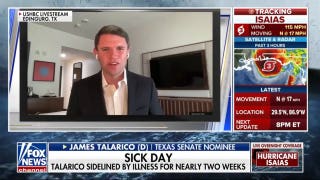


Matthew Whitaker on Iran's 'unacceptable' response and NATO's future
U.S. Ambassador to NATO Matthew Whitaker details President Donald Trump's firm stance on Iran's recent peace deal response, calling it 'totally unacceptable.' Whitaker highlights American strategic military presence and economic sanctions as key leverage points. He further explains the vision for 'NATO 3.0,' emphasizing the need for allies to boost defense spending and enhance war-fighting capabilities to avoid dependencies on the United States.
President Donald Trump is arriving at the Turkey-held NATO summit with fresh frustration toward several European allies over their responses to the U.S.-led operations against Iran, opening a new front in his long-running campaign to pressure the alliance over burden-sharing.
The summit, which takes place Tuesday and Wednesday in Ankara, Turkey, is expected to focus on defense spending, Ukraine and NATO's long-term strategy toward Russia.
But it will bring Trump face to face with some of his biggest foes in NATO, including Spain, whose Prime Minister Pedro Sánchez has called the U.S. war in Iran "illegal, absurd and cruel."
U.S. Ambassador to NATO Matthew Whitaker said Wednesday that Trump remains "disappointed" by allies that declined to allow U.S. forces to use military bases or overflight rights during the operation, as well as by political statements criticizing the strikes.
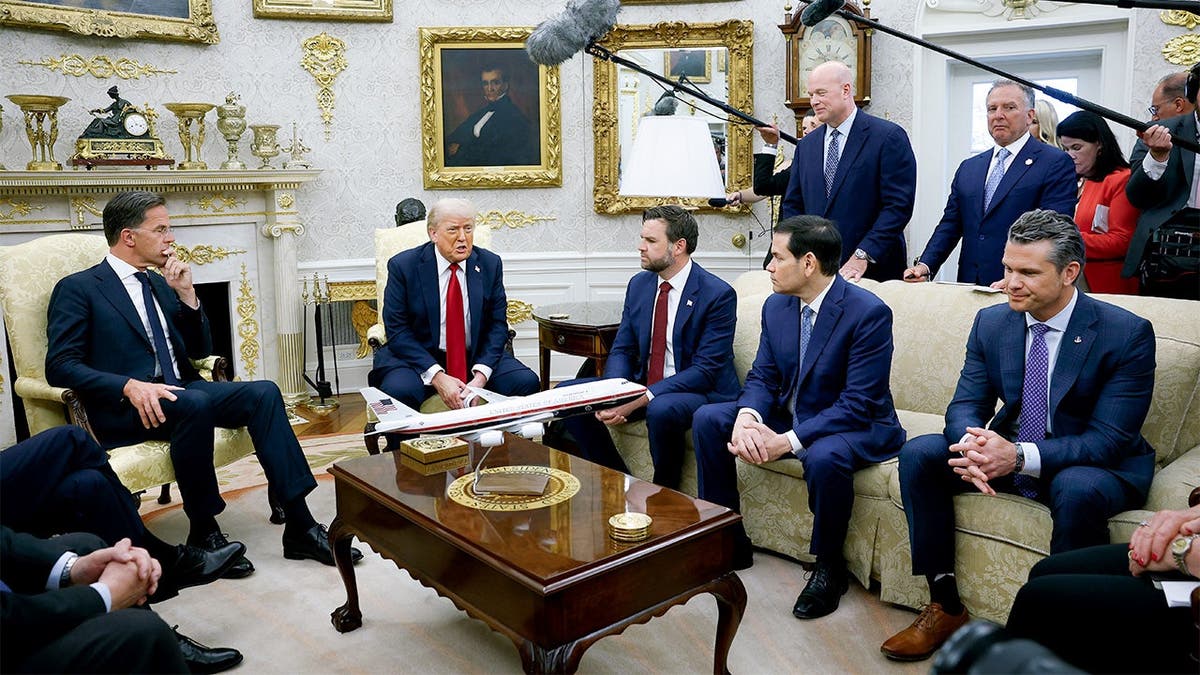
President Donald Trump meets with NATO Secretary-General Mark Rutte in the Oval Office at the White House on July 14, 2025, in Washington. (Kevin Dietsch/Getty Images)
WHY NATO'S DEFENSE SPENDING IMBALANCE LASTED FOR DECADES
"The president has expressed disappointment in both a couple of our allies' unwillingness to support us using our bases in their countries," Whitaker said. "And, as importantly, he's also incredibly disappointed in the political statements that came out around the time of the launch of Epic Fury."
The disagreements are expected to loom over a summit where Trump will once again press allies to increase defense spending, while also raising broader questions about whether NATO members are prepared to back the United States during conflicts beyond the alliance's traditional focus on Europe.
Trump's frustration has been evident publicly as well.
Ahead of the summit, he said he was attending largely because of his relationship with Turkish President Recep Tayyip Erdoğan, while again criticizing some NATO allies over defense spending and questioning their commitment to the alliance.
"Except for the fact that it was being held in Turkey by President Erdogan, I don't think I would have gone to it," Trump told reporters at the White House on June 24.
During the same appearance, he renewed criticism of Spain and other NATO allies over their refusal to support U.S. operations against Iran, declaring, "There's a problem with Spain."
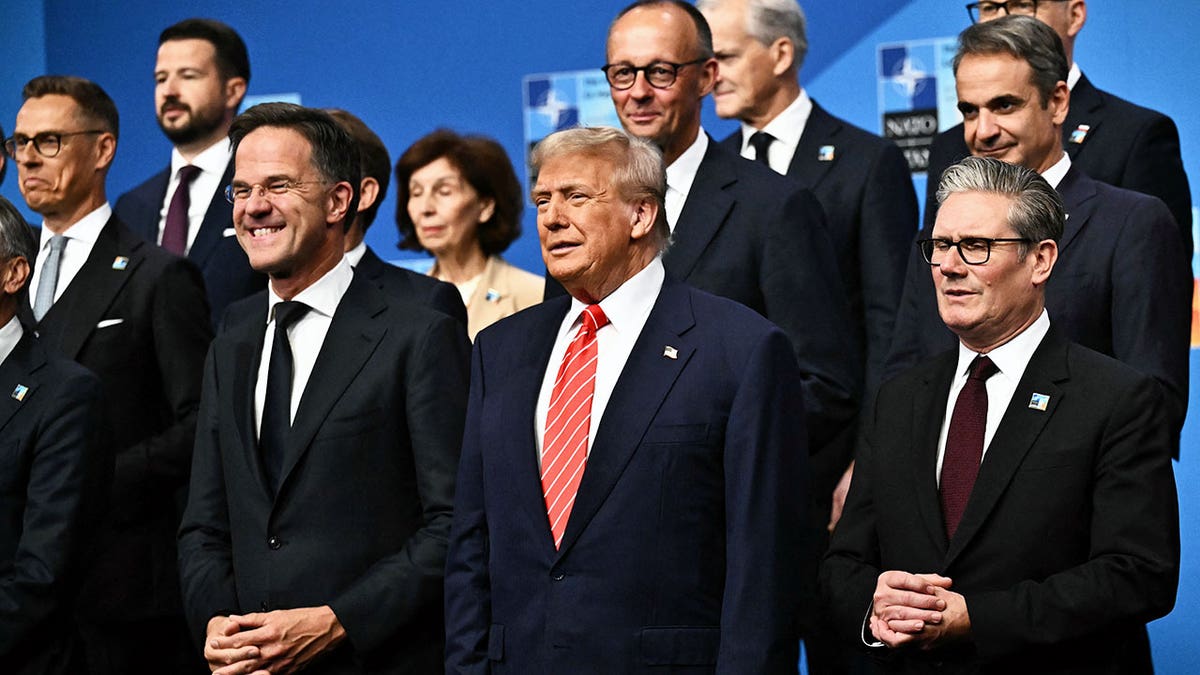
The summit, which takes place Tuesday and Wednesday in Ankara, Turkey, is expected to focus on defense spending, Ukraine and NATO's long-term strategy toward Russia. (Ben Stansall/Pool via Reuters)
Whitaker said the operation also highlighted disparities in military capabilities across the alliance, noting that while some NATO members possess "exquisite capabilities," others lack the capacity to contribute meaningfully to a large-scale U.S.-led military operation.
The administration's frustration stems from a series of decisions by European allies during Operation Epic Fury.
The United Kingdom initially declined to allow U.S. forces to launch strikes against Iran from British bases before later reversing course after Iranian attacks escalated. Spain denied the use of its territory and airspace for combat operations while Sánchez publicly criticized the U.S.-led campaign.
Italy also sought to distance itself from the operation, insisting U.S. flights from bases on Italian soil were limited to logistical support rather than combat missions, while Germany served as a key logistics hub but stopped short of publicly endorsing the military campaign.
European governments defended their positions by citing domestic legal constraints and concerns about being drawn into a wider Middle East conflict. Britain later allowed U.S. strikes after initially withholding approval, while Spain continued opposing the campaign, Italy restricted its support to noncombat operations and Germany limited its role to logistics.
EUROPE'S $116B FIGHTER JET 'FAILURE' RAISES FRESH DOUBTS ABOUT ABILITY TO DEFEND ITSELF WITHOUT US
Several allies later agreed to support maritime security operations aimed at restoring commercial shipping through the Strait of Hormuz, but administration officials say the initial reluctance to back the U.S. campaign continues to shape Trump's view heading into the summit.
While the Middle East is not expected to dominate the formal agenda, it underscores broader questions Trump is bringing to Turkey about burden-sharing and whether NATO allies are prepared to back the United States beyond the alliance's traditional focus on Europe.
The tensions over Iran build on years of Trump's criticism of NATO, which he has repeatedly accused of relying too heavily on the U.S. During both his first and second terms, Trump has questioned whether Washington should continue defending allies that fail to meet spending commitments and has at times floated withdrawing from the alliance altogether.
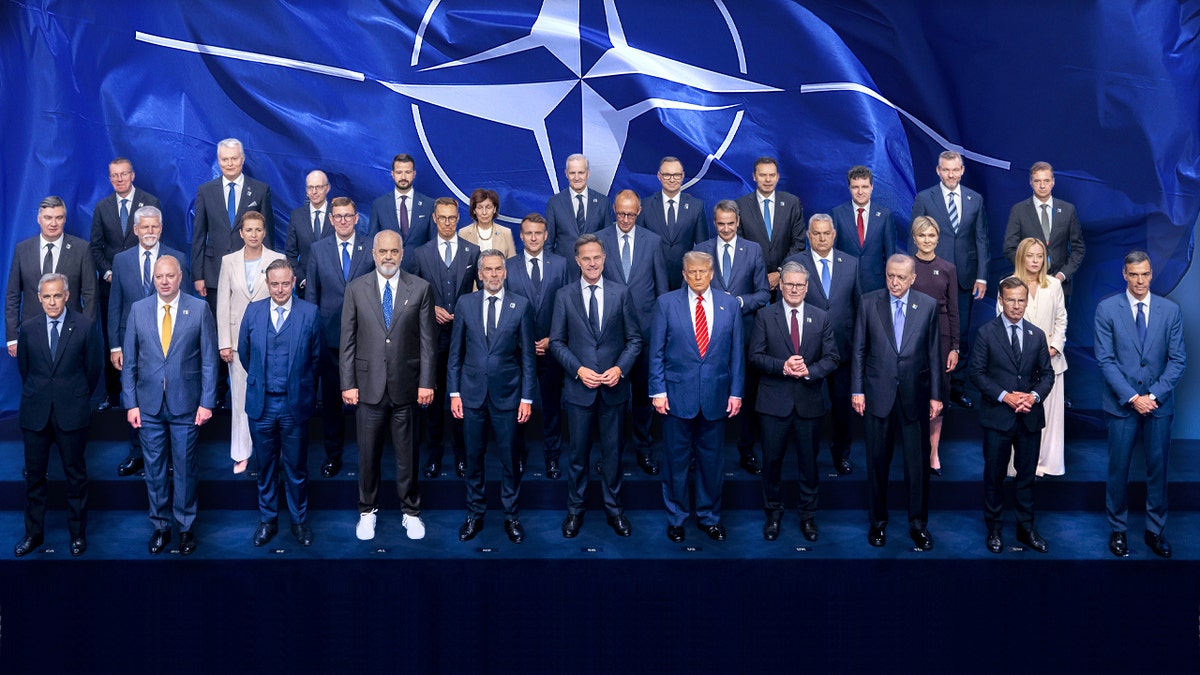
President Donald Trump is expected to use the summit to press allies to meet NATO's new benchmark of spending 5% of GDP on defense. (Handout / Latin America News Agency via Reuters Connect)
"If they don't pay, I'm not going to defend them," Trump said March 6. "If the United States was in trouble, and we called them ... you think they're going to come and protect us? They're supposed to. I'm not so sure."
Trump is expected to use the summit to press allies to meet NATO's new benchmark of spending 5% of GDP on defense.
"The United States spends more money on NATO than any other country, by far, to protect them, without getting any benefit from so doing," he wrote on Truth Social Thursday.
Whitaker suggested the administration increasingly views burden-sharing as extending beyond defense budgets alone.
"We believe that those that are doing more should get benefits from doing more," he said.
Whitaker confirmed the administration was considering countermeasures for allies that don’t meet defense spending goals. He added that countries contributing more could receive advantages ranging from priority in defense procurement to greater engagement with U.S. leaders.
While the summit is expected to focus publicly on defense spending, Ukraine and NATO's long-term strategy toward Russia, analysts say the fallout from Operation Epic Fury is likely to shape private conversations between Trump and several European leaders.
CLICK HERE TO DOWNLOAD THE FOX NEWS APP
Former Deputy Assistant Secretary of Defense Ian Brzezinski said during a press briefing the recent conflict has created "two scorecards on the table" for the summit — NATO's traditional priorities of strengthening deterrence against Russia and Trump's assessment of which allies proved most supportive of the United States during the Iran conflict.
"We have low expectations because of the issues not on the agenda, but that are driving the atmospherics," Torey Taussig, director of the Transatlantic Security Initiative at the Atlantic Council, said.
