




















Retired FBI agent explains how the real-life ‘Sopranos’ were dismantled from the inside
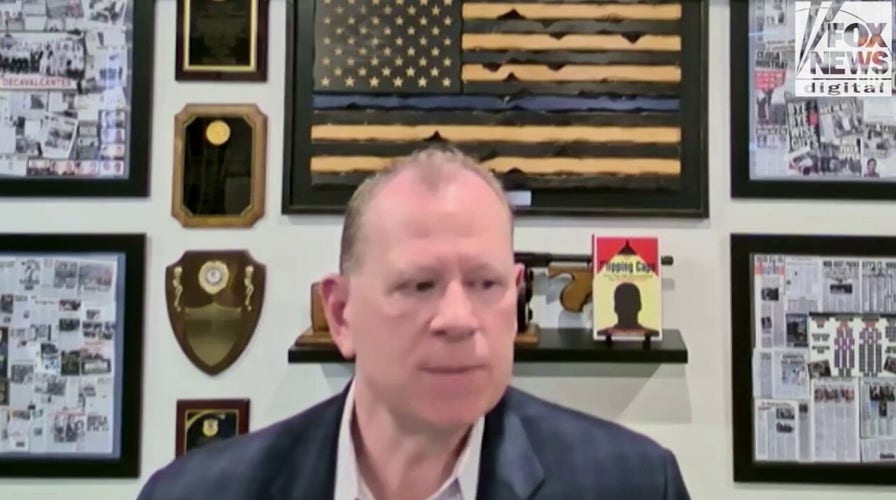
Retired FBI agent Séamus McElearney details the arrest and cooperation that cracked the DeCavalcante crime family and exposed the real-life inspiration for "The Sopranos."
The FBI chased the "Real Sopranos" for decades without breaking them, until one arrest changed everything.
Behind the HBO hit series was a real mafia family operating in New Jersey and New York: the DeCavalcante crime family. In 1999, retired FBI agent Séamus McElearney says, the bureau finally cracked the organization from the inside by flipping a violent mob soldier and triggering a chain reaction that dismantled the family.
McElearney, author of the recently released "Flipping Capo: How the FBI Dismantled the Real Sopranos," joined the FBI in 1998 and was assigned to Squad C-10 of the New York Organized Crime Branch, where he investigated both the Bonanno and DeCavalcante crime families, the real-life inspiration behind "The Sopranos."
"The case basically starts in 1998," McElearney told Fox News Digital, pointing to two events that unexpectedly intersected — a World Trade Center robbery and the murder of a DeCavalcante associate in Brooklyn.
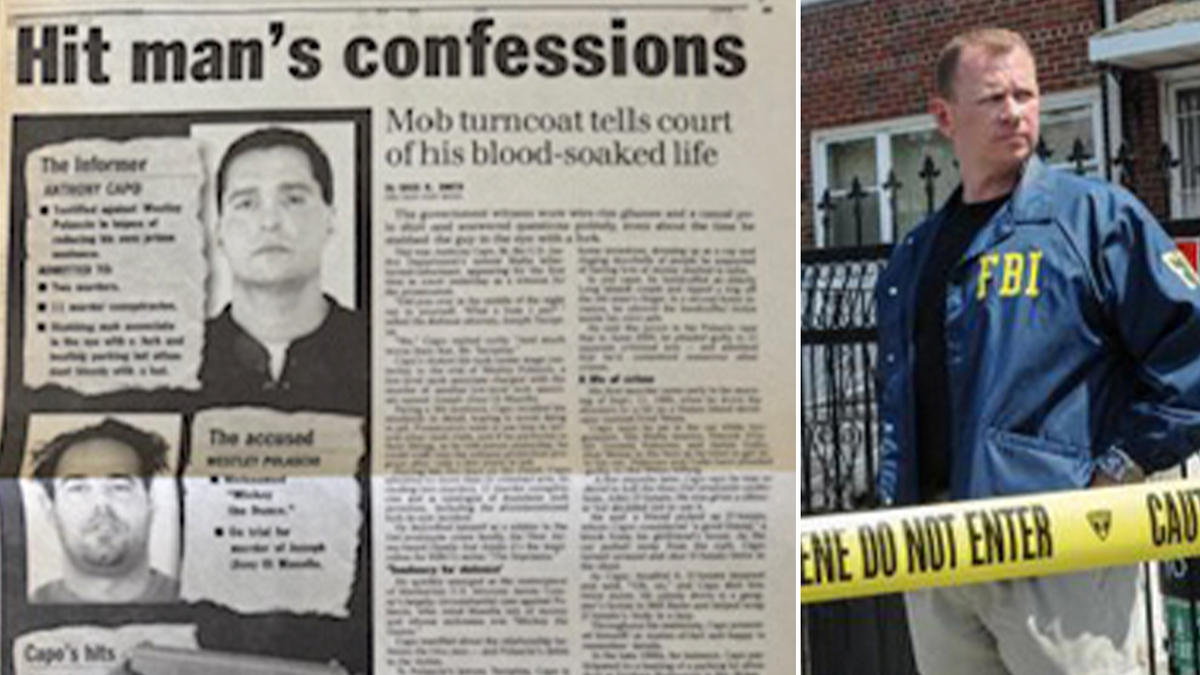
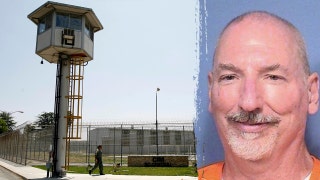
Retired FBI agent Séamus McElearney says flipping mob soldier Anthony Capo cracked the "Real Sopranos." (Seamus McElearney)
The robbery’s mastermind later contacted the FBI and became a rare "proactive witness," secretly recording mob conversations and leading agents straight into the family’s Brooklyn faction.
"When you have a proactive witness, the most important thing is trying to keep him safe," McElearney said. "You have to have him think to the criminals that he’s still not cooperating with the government."
Over two years, the witness made roughly 300 consensual recordings, quietly exposing the inner workings of the real-life Sopranos.
"You have to keep up the facade that he is a criminal himself," McElearney said. "If that cover blows, people get killed."
The investigation reached a breaking point in December 1999, when McElearney led the arrest of Anthony Capo, a feared DeCavalcante soldier with a long reputation for violence and hostility toward law enforcement.
"I was assigned to arrest a violent DeCavalcante soldier named Anthony Capo," McElearney said. "He had a notorious reputation against law enforcement and even within the mob itself."
Before his cooperation, Capo had been deeply embedded in the family’s bloodiest chapters. According to historical accounts, Capo was involved in the 1989 murder of Fred Weiss, a hit ordered by Gambino boss John Gotti to solidify the DeCavalcante family’s standing with New York’s Mafia elite. Capo helped monitor Weiss and served as the driver during the Staten Island ambush, highlighting the depth of his involvement in mob violence before he ever cooperated.
FBI, LAPD BUST VIOLENT MEXICAN MAFIA-LINKED GANG: ‘THE ERA OF CARTELS IS OVER,’ KASH PATEL SAYS
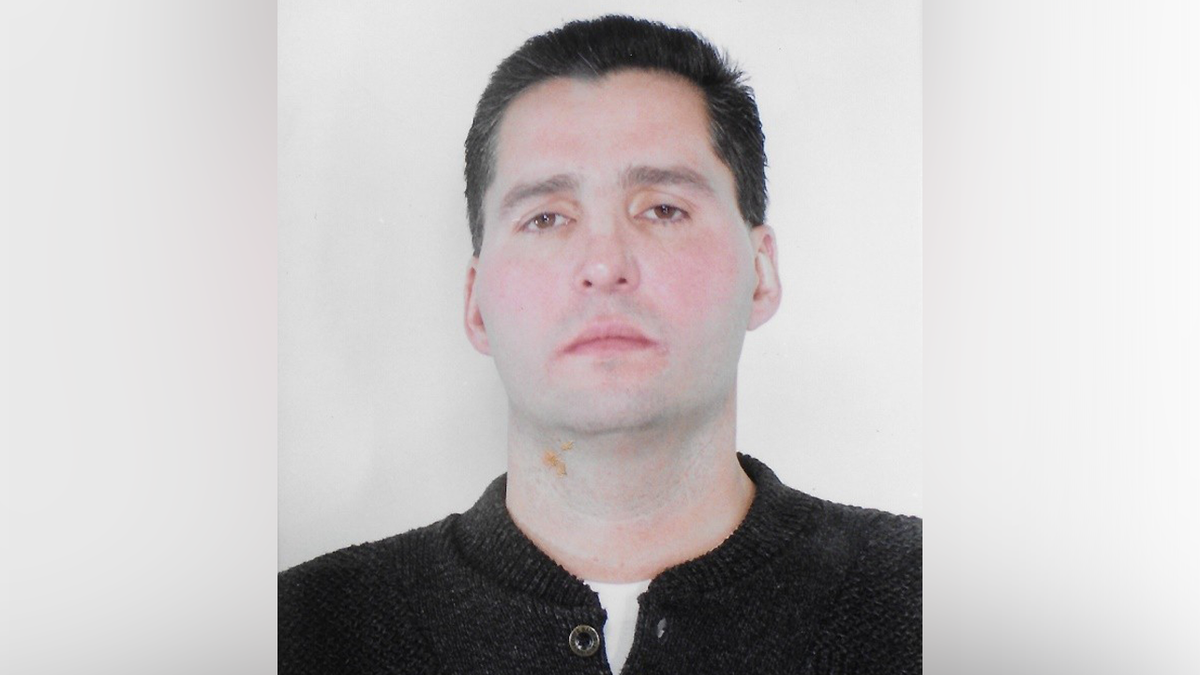
Anthony Capo, a soldier in the DeCavalcante crime family, is shown in a booking photo tied to federal organized crime charges. (Seamus McElearney)
Still early in his career, McElearney expected to be placed in a secondary role. Instead, he found himself leading the arrest team.
"Here I am hoping to be on an arrest team," he said. "And it turns out I was the team leader."
Rather than intimidation, McElearney said he relied on relentless preparation and respect, what he calls "mind chess."
"I basically studied him like you would study for a test. I knew everything about him," McElearney said. "I knew where he lived. I knew his kids’ names. I even knew he was diabetic."
During the arrest, McElearney made sure Capo’s blood sugar wouldn’t drop.
"I had orange juice and chocolate with me," he said. "I wasn’t going to have him pass out in front of me."
McElearney said he never lied or bluffed. Instead, he calmly demonstrated how much the FBI already knew.
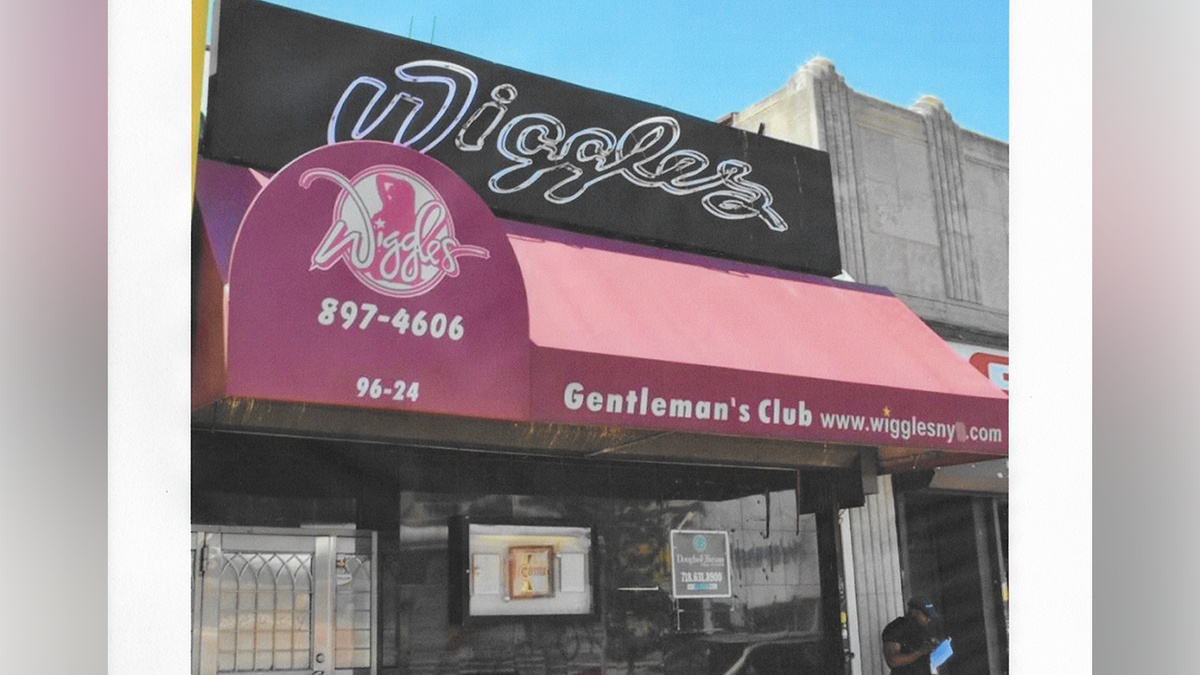
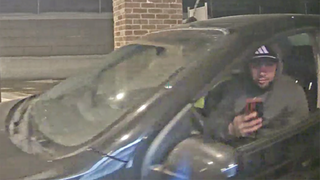
Wiggles Gentlemen’s Club in Queens, New York, a business tied to organized crime activity and later referenced in federal investigations. The club has been cited as a real-world parallel to strip club settings depicted in "The Sopranos." (Seamus McElearney)
"I told him, ‘Don’t say anything. Just listen,’" McElearney said. "This isn’t a question. This is a statement."
A week later, McElearney received a call he never expected. Capo’s attorney said his client wanted to cooperate.
"To tell you the truth, I had no idea at all," McElearney said. "I was totally stunned."
Capo became the first made member in the DeCavalcante family’s century-long history to cooperate with law enforcement, a move that shattered mafia tradition and triggered a historic domino effect.
"We didn’t expect that," McElearney said. "We had a panel boss, a captain, a soldier and four associates cooperate. That was very, very unique."
MOBSTERS TAKE CENTER STAGE IN NEW FOX NATION CRIME SERIES EXPLORING ICONIC MAFIA MOMENTS
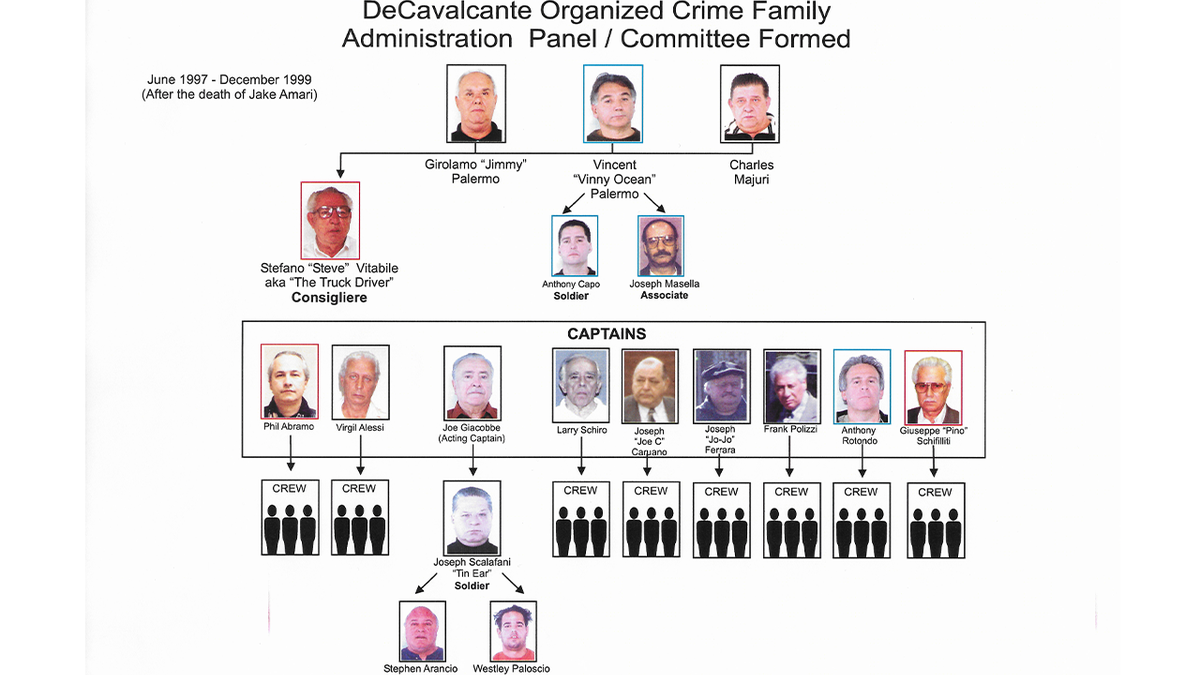
An FBI organizational chart detailing the leadership structure of the DeCavalcante crime family, including bosses, captains, soldiers and associates. (Seamus McElearney)
"Since that timeframe," he added, "no other made member in that family has cooperated, 25 years, plus."
The violence Capo once participated in was also turning inward. Historical accounts show that Capo associate Joey Garofano disappeared after mishandling aspects of the Weiss hit. He is believed to have been killed by fellow mobsters who feared he might expose them, reflecting the paranoia consuming the family.
Capo was also linked to the killing of acting boss John D’Amato in the early 1990s, an internal execution driven by power struggles and rumors that further fractured the family’s already fragile code of loyalty.
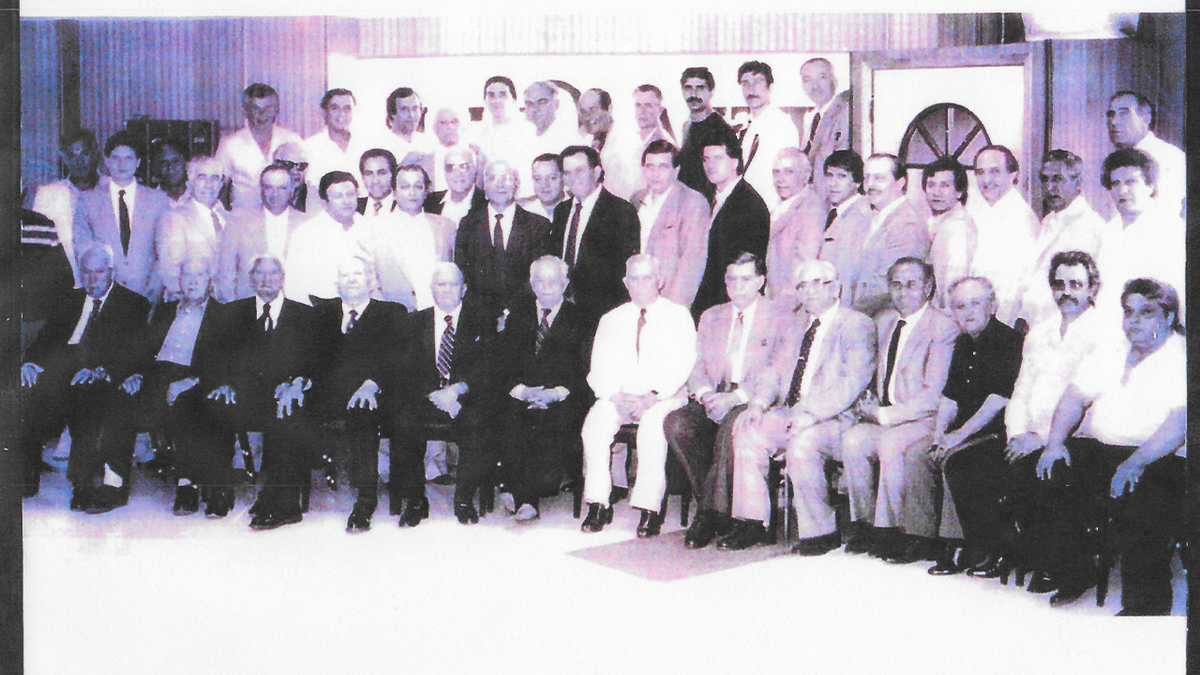
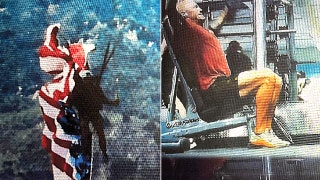
A rare group photo shows members and associates of the DeCavalcante crime family gathered at a social function in New Jersey. The family, long considered the real-life inspiration for "The Sopranos," operated quietly for decades before federal investigations exposed its structure and leadership. (Seamus McElearney)
The case would become one of the most consequential organized crime prosecutions in modern FBI history. Over the following years, McElearney and his team secured 71 convictions, solved 11 murders and put seven trials before federal juries, effectively dismantling the DeCavalcante crime family.
The cooperation allowed prosecutors to do something almost unheard of and put the entire structure of a mafia family on the witness stand, from street associates to leadership.
As "The Sopranos" debuted on HBO, the real-world case collided with pop culture. McElearney said the FBI captured mobsters on tape debating which real-life figures matched characters on the show.
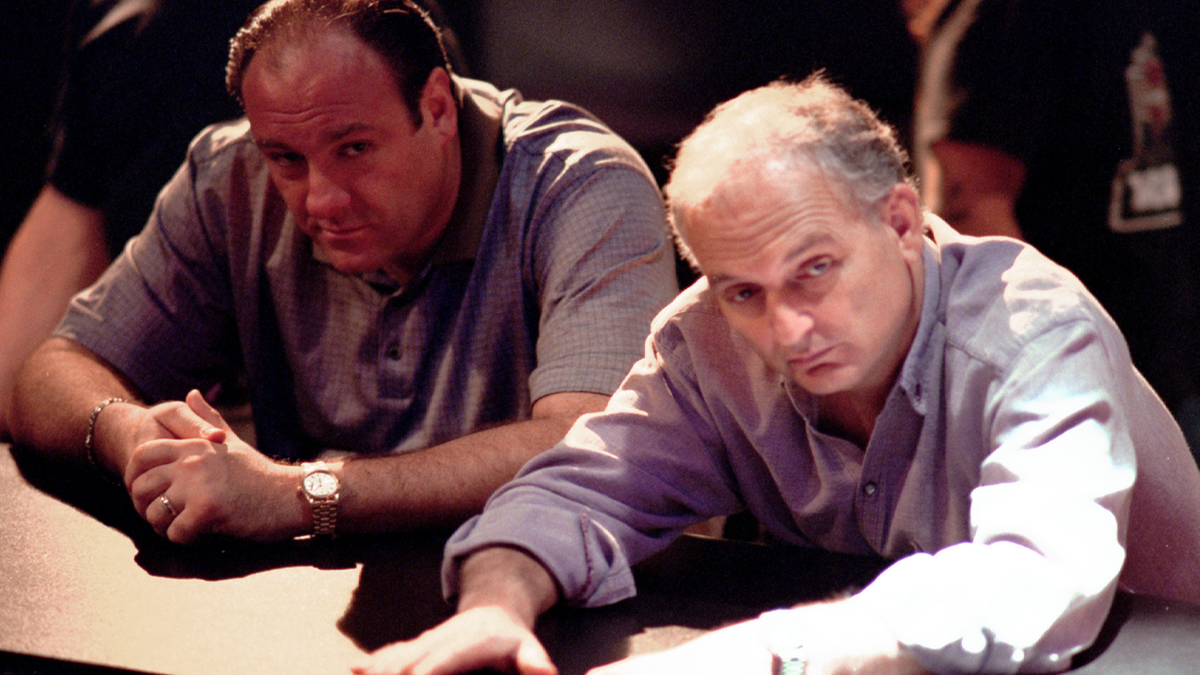
The Sopranos, HBO's hit series about a modern-day mob boss caught between responsibilities to his family and his "family." Pictured: series star James Gandolfini and David Chase, the show's creator. (HBO)
"That recording was priceless for trial," he said. "All we had to do was hit play."
But the reality behind the show was far darker. McElearney described one of the bureau’s most chilling recordings, a shooter calmly describing the execution of Joseph Conigliaro, a ruthless mob associate who used a wheelchair.
"He was shot six times," McElearney said. "He got out of the car, drove away, put his blinker on and drove himself toward the hospital."
TWO FORMER NCAA WRESTLERS AMONG THOSE ARRESTED IN ALLEGED MAFIA-LED NEW JERSEY SPORTS GAMBLING RING
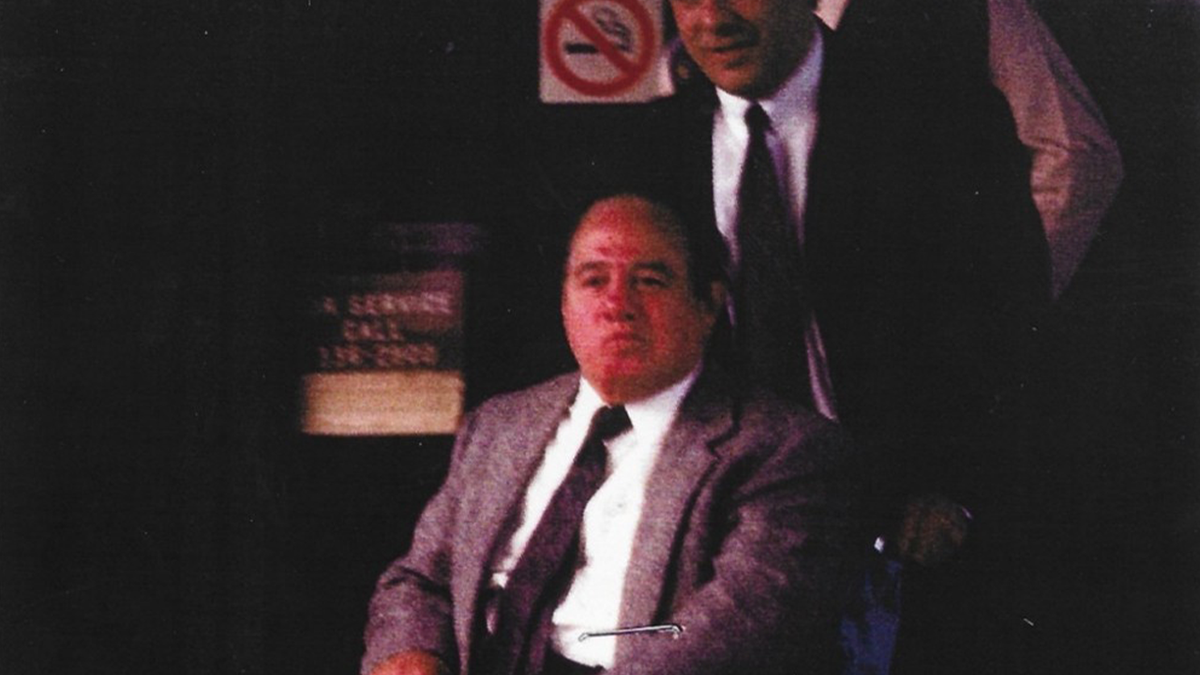
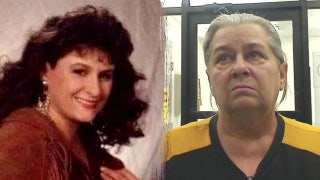
Joe "Pitts" Conigliaro, a violent loan shark tied to the DeCavalcante crime family, with associate Americo "Mike" Massa before Conigliaro’s 1997 murder. (Seamus McElearney)
As the investigation widened, the stakes became personal. At one point, the FBI learned of a contract not only on Capo, but on his children and on law enforcement.
"That became very real very quickly," McElearney said.
McElearney later went on to oversee investigations into the Colombo crime family, helping dismantle another major mafia organization and spearheading what the FBI has described as the largest mafia takedown in its history. Over his career, he helped convict 10 mafia bosses and solve more than 30 homicides, including 11 tied to the DeCavalcante case and more than 20 linked to Bonanno and Colombo family investigations. In 2013, McElearney was invited to the White House and recognized by the president for his work against organized crime.
Today, McElearney says the mafia is weaker, but not gone.
"They’ve been around for 125 years," he said. "If you don’t keep an eye on them, they’re going to rebuild."
CLICK HERE TO DOWNLOAD THE FOX NEWS APP
For those still inside that world, he offered a blunt warning.
"At some point, you’re gonna have to make a choice between your real family and their family," McElearney said. "And, at the end of the day, you’re just gonna get caught."
Stepheny Price covers crime, including missing persons, homicides and migrant crime. Send story tips to stepheny.price@fox.com.

True Crime
The hottest stories ripped from the headlines, from crime to courts, legal and scandal.
By entering your email and clicking the Subscribe button, you agree to the Fox News Privacy Policy and Terms of Use, and agree to receive content and promotional communications from Fox News. You understand that you can opt-out at any time.