




































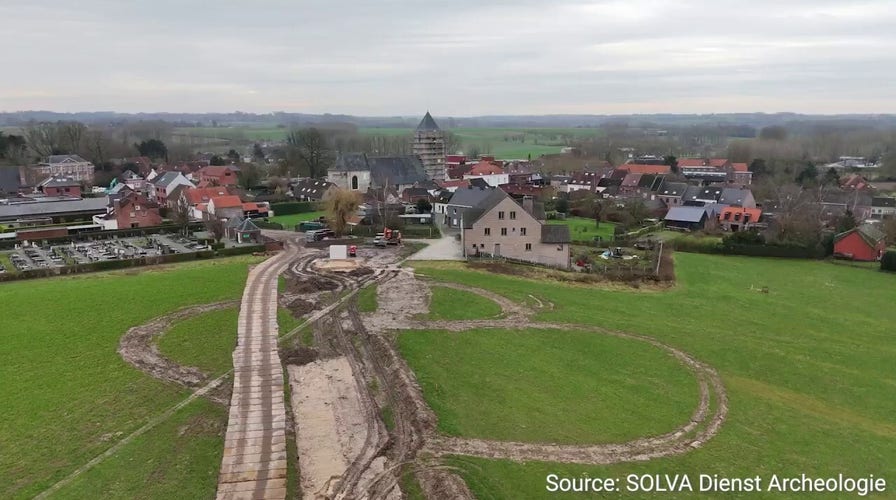
Belgian archaeologists uncover well-preserved dog dating back to Roman times
SOLVA Archaeology Service in Belgium announced the recent discovery of ancient Roman artifacts and remains, including a well-preserved dog, in Velzeke. (Source: SOLVA Dienst Archeologie)
Swedish archaeologists recently uncovered remnants of a forgotten 16th-century city beneath modern-day Gothenburg.
The excavation was conducted by Arkeologerna, a Swedish archaeological consultancy, earlier this autumn. Researchers focused on Olskroken, a district east of central Gothenburg — Sweden’s second-largest city after Stockholm.
What they found were the remnants of a place called Nya Lödöse, a short-lived town founded by Swedish regent Sten Sture the Elder in 1473.
With its strategic location near the North Sea, Nya Lödöse flourished as a port and attracted traders from across Western Europe.
By 1624, however, it was largely abandoned, and Gothenburg began to rise in its place. Thanks to archaeologists' hard work, remnants of the long-forgotten locale have turned up in recent months.
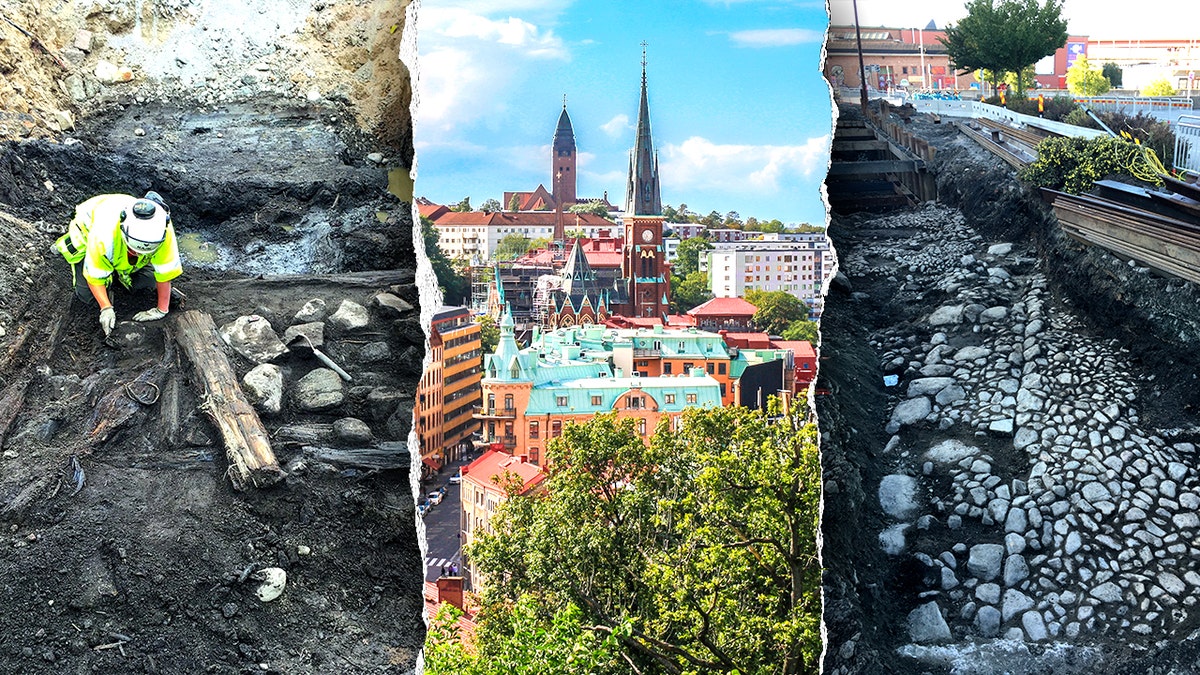
Archaeologists in Sweden uncovered remnants of the 16th-century town of Nya Lödöse beneath modern-day Gothenburg. (Arkeologerna, Statens Historiska Museer)
Archaeologist Mattias Obrink told Fox News Digital that Nya Lödöse was designed like a typical medieval market town, with a grid surrounding a main marketplace with a town hall.
"There were similarities in the physical structure of most of the plots," he said. "All houses except the church were wooden and mostly uniform in size and architectural style."
Obrink added, "They resembled rural dwellings and the architecture didn’t show different social and economic status. What we uncovered were not complete houses — but rather the remains of walls and the boundaries of the individual plots."
ELITE ROMAN FAMILY'S ANCIENT TREASURE UNEARTHED IN RUINS OF FIRE-SCORCHED DWELLING
Obrink worked as a project manager during the excavations. He noted that subtle class differences emerged through the artifacts.
"We found a huge amount of artifacts reflecting everyday life and surplus — like, for instance, a leather glove and a wooden barrel," he said.
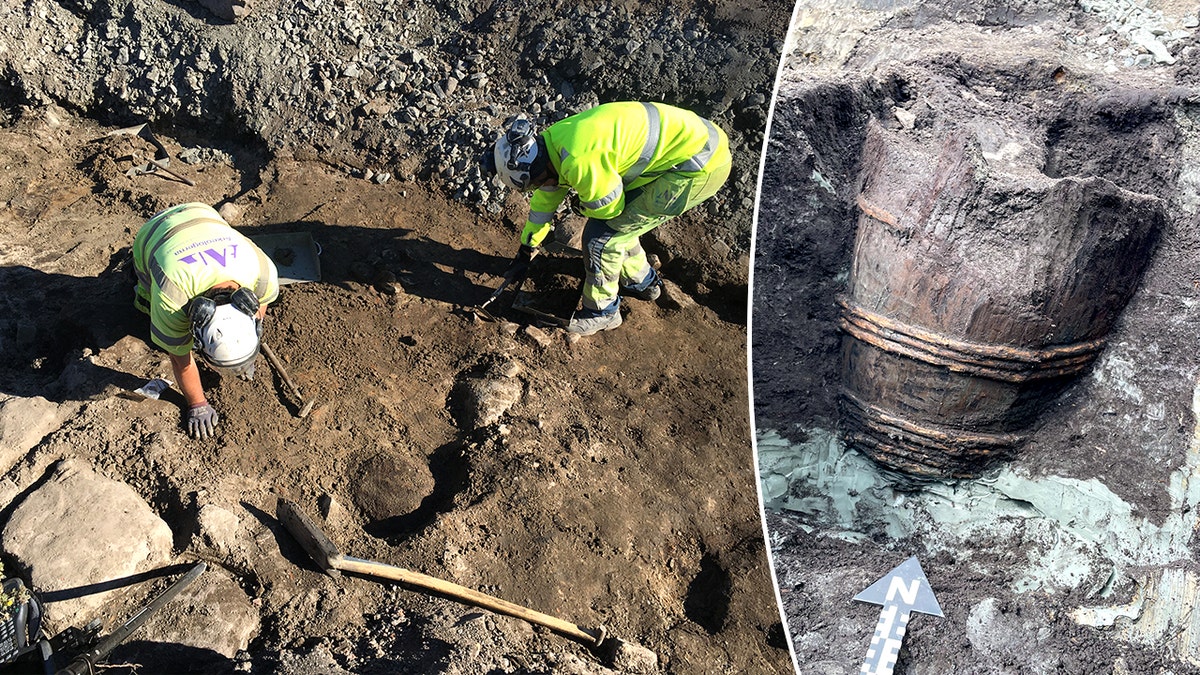
"We found a huge amount of artifacts reflecting everyday life and surplus, like, for instance, a leather glove and a wooden barrel," said Obrink. (Arkeologerna, Statens Historiska Museer)
"We also found many imported ceramic objects. One of the most surprising artifacts was pieces of a pocket watch from the mid-16th century."
Photos from the excavation include the remains of a house, a 16th-century leather glove and a cobbled street, along with a 17th-century wooden barrel that was repurposed as a cesspit.
CLICK HERE TO SIGN UP FOR OUR LIFESTYLE NEWSLETTER
"In the 16th century, this part of the town was densely built up, and analyses of the buried inhabitants have given us important insights into life in Nya Lödöse," he said.
"We have excavated an exceptionally large portion of the town, and the material we uncovered spans a period of only 150 years."
"The founding of Nya Lödöse represents the beginning of an independent Swedish trade policy."
Obrink noted that Nya Lödöse was established to succeed the older medieval settlement of Lödöse, during a time "marked by conflict between Denmark and Sweden."
"Although the two kingdoms had been united in a political union since the 14th century, Sweden repeatedly attempted to break free," he said.
CLICK HERE FOR MORE LIFESTYLE STORIES
"The founding of Nya Lödöse represents the beginning of an independent Swedish trade policy."
But Nya Lödöse's proximity to the Danish border invited conflict, Obrink said — and it was replaced "by the heavily fortified city of Gothenburg."
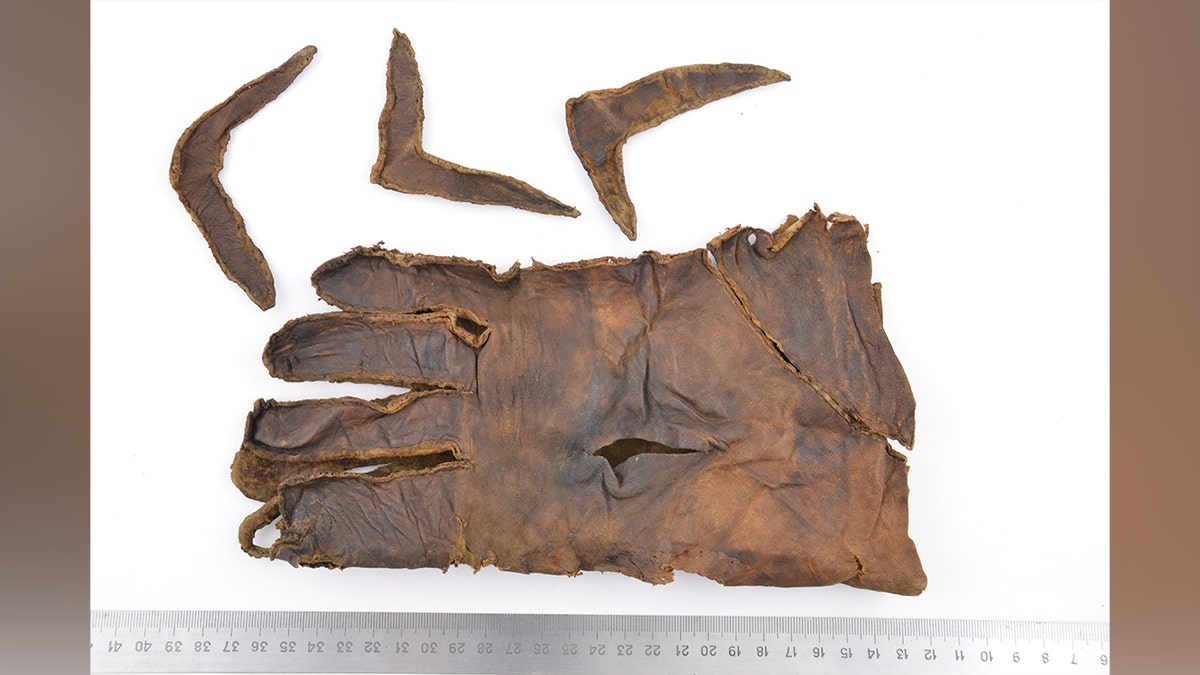
Obrink said subtle social differences appeared through artifacts such as clothing, imported goods and tools. (Arkeologerna, Statens Historiska Museer)
Since 2013, archaeologists have uncovered streets, at least 39 plots, the port, the pier and the main square — and more recently, the city's 16th-century fortifications, which included a moat, rampart and traces of several gardens inside the walls.
All in all, Obrink said that the new findings give researchers "extraordinary opportunities to examine fine-grained details of the built environment and to tell the stories of life in Nya Lödöse."
TEST YOURSELF WITH OUR LATEST LIFESTYLE QUIZ
"[It's] something that has rarely been possible elsewhere," he said.
"These stories unfold against the wider backdrop of the transformative 16th century, when medieval Europe transitioned into the early modern era."
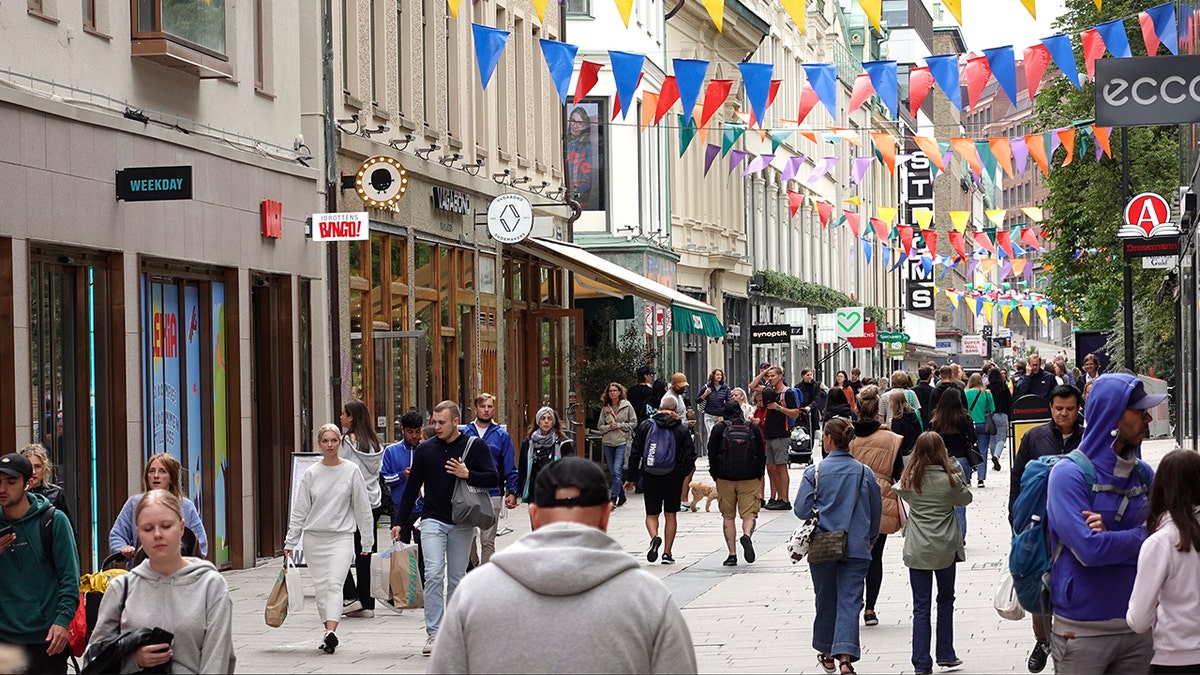
Today, bustling Gothenburg covers the ground where Nya Lödöse once thrived as Sweden's western gateway. (Soeren Stache/picture alliance via Getty Images)
"It was a time marked by the discovery of the Americas, the Reformation and the emergence of powerful princely states," Obrink concluded.
The Gothenburg excavation is one of many fascinating archaeological digs that took place in Sweden in 2025.
CLICK HERE TO GET THE FOX NEWS APP
In the southwest region of the country, a history buff with a metal detector led archaeologists to the site of a medieval monastery this spring.
Earlier this fall, an angler digging for fishing worms found a massive medieval treasure hoard outside of Stockholm.

Fox News Lifestyle
A look at the top-trending stories in food, relationships, great outdoors and more.
By entering your email and clicking the Subscribe button, you agree to the Fox News Privacy Policy and Terms of Use, and agree to receive content and promotional communications from Fox News. You understand that you can opt-out at any time.
