





































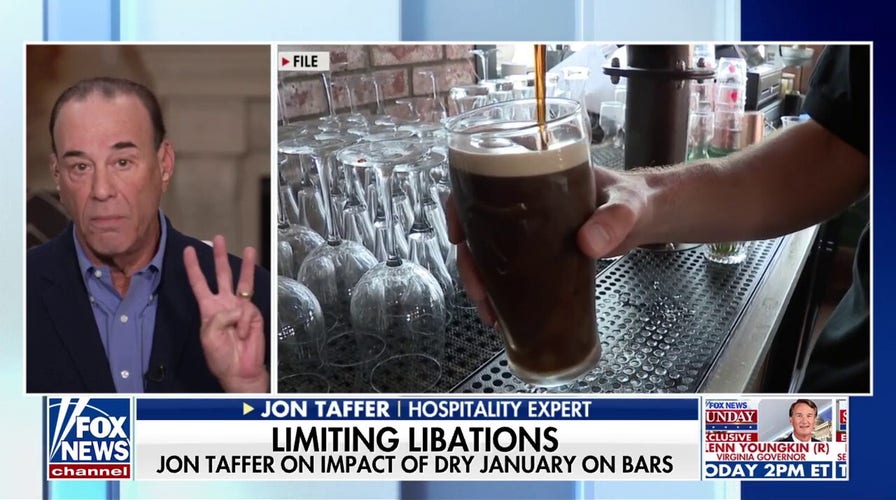
Jon Taffer warns alcohol brands could disappear as bar sales decline
'Bar Rescue' host and executive producer Jon Taffer joins 'The Sunday Briefing' to discuss new dietary guidance on alcohol, the rise of mocktails and how Ozempic is shrinking portion sizes across restaurants.
Archaeologists recently uncovered proof of ancient fermented beverages in western China — revealing how people brewed beer-like drinks more than 3,000 years ago.
The research was published in the Journal of Archaeological Science: Reports in December.
The study centered around the Mogou site in Gansu Province, located in northwestern China near the northeastern edge of the Tibetan Plateau.
The site had long been used as a cemetery during the Bronze Age, in the late second millennium B.C. Researchers analyzed 42 vessels from four tombs and found microscopic residue showing they once held fermented liquids.
Experts conducted microfossil analyses and uncovered starch granules, phytoliths and fungi that show the "diverse range" of the diet of ancient Mogou people, per the study's abstract.

A traditional Chinese illustration of grain processing is shown with a pottery vessel from the Mogou site in northwestern China, where researchers identified traces of ancient fermented beverages. (iStock; Ruilin Mao et al.)
The Mogou people brewed the beverages using the "qu method," which involved preparing the fermentation starter with rice and Monascus mold, or red mold. The drinks were crafted from grains such as millet, rice, wheat and barley.
Li Liu, an East Asian Languages and Cultures professor at Stanford University and co-author of the study, said these fermented beverages were "likely similar to unfiltered beer, with a porridge-like consistency."
CLICK HERE TO SIGN UP FOR OUR LIFESTYLE NEWSLETTER
The drinks also had a low alcohol content and a "mildly sweet-sour flavor profile," Liu told Fox News Digital.
"They were probably consumed fresh and did not include hops, which are used in brewing modern beer."
"Fermentation would have enhanced preservation, nutritional value and digestibility, allowing them to be consumed beyond strictly ritual contexts."
Liu added that fermented alcoholic beverages had a long history in China. They were used as mortuary offerings and in festive settings for around 10,000 years.
CLICK HERE FOR MORE LIFESTYLE STORIES
"At the same time, these beverages may also have functioned as everyday food resources, as fermentation would have enhanced preservation, nutritional value and digestibility, allowing them to be consumed beyond strictly ritual contexts," she added.
The most surprising aspect of the study, Liu said, was the evidence that red mold was used in the fermentation process — an unusual type of mold in the Tibetan Plateau region.
Researchers say fermented beverages brewed at the Mogou site more than 3,000 years ago were likely similar to unfiltered beer. (iStock)
"Rice may not have been locally produced in this highland environment, and the growing of Monascus typically requires warm and humid conditions," Liu said.
TEST YOURSELF WITH OUR LATEST LIFESTYLE QUIZ
"Its presence in the western highlands suggests a remarkably long-lasting and far-reaching cultural transmission of brewing knowledge."
She also said the brewing methods stayed largely the same for centuries, suggesting a well-established tradition.
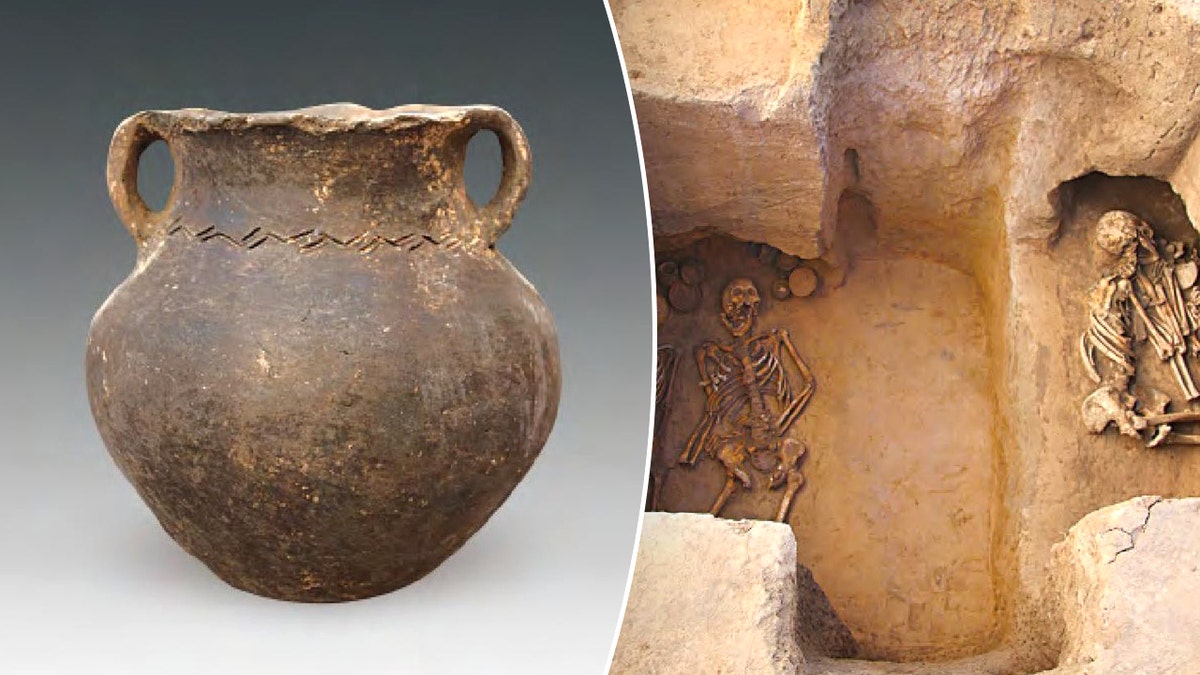
Archaeologists say fermented alcoholic beverages discovered at the Mogou site were likely used as mortuary offerings in Bronze Age burial practices in western China. (Ruilin Mao et al.)
The study represents the "first scientific analysis of ancient alcoholic residues from Bronze Age western China," Liu said.
CLICK HERE TO GET THE FOX NEWS APP
"Because the site is situated along major east-west cultural communication routes, the findings highlight how 'invisible' traditions — such as brewing knowledge and fermentation practices — were an important but often overlooked component of long-distance human interaction and cultural exchange," she said.


Fox News Lifestyle
A look at the top-trending stories in food, relationships, great outdoors and more.
By entering your email and clicking the Subscribe button, you agree to the Fox News Privacy Policy and Terms of Use, and agree to receive content and promotional communications from Fox News. You understand that you can opt-out at any time.
